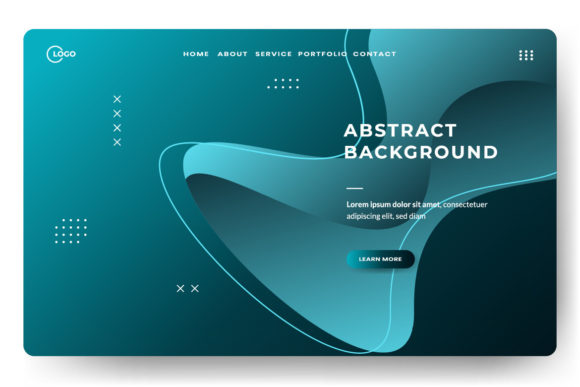
Unlocking the Potential of Blue Abstract Background Dynamic in Modern Design
In the rapidly evolving landscape of digital visual communication, static imagery is increasingly giving way to fluid, immersive experiences. At the forefront of this shift lies a specific aesthetic trend known as Blue Abstract Background Dynamic. This concept transcends mere decoration; it represents a sophisticated approach to user interface design, video production, and brand storytelling. By leveraging liquid 3D rendering techniques paired with gradient color palettes, designers can create environments that feel alive, responsive, and deeply engaging.
The significance of this style extends far beyond simple visual appeal. For professionals ranging from UI/UX developers to video content creators, understanding how to effectively integrate these dynamic elements is crucial for capturing attention in an overcrowded digital marketplace. This guide explores the multifaceted nature of blue abstract dynamics, examining their technical foundations, practical applications, and the psychological impact they hold on modern audiences.
The Anatomy of Fluid Visuals
To appreciate the value of Blue Abstract Background Dynamic, one must first understand the technical composition that defines it. Unlike traditional flat designs or rigid geometric patterns, this style relies heavily on the simulation of physical fluids. Through advanced rendering engines, designers manipulate light, shadow, and refraction to create the illusion of liquid movement within a three-dimensional space.
The "dynamic" aspect refers to the interactive or animated nature of these backgrounds. They are not static images but rather living canvases that respond to time, user input, or data streams. The core of this aesthetic is the interplay between the liquid 3D forms and the gradient color transitions. In the context of blue, these gradients often range from deep, oceanic navy tones to electric cyan and soft sky blues, creating a sense of depth and infinite space.
This complexity serves a functional purpose. The human brain is wired to notice movement and fluidity, which makes these backgrounds highly effective at holding viewer attention without being distracting. When executed correctly, the texture adds a layer of richness that elevates the perceived quality of the entire digital product.
Technical Implementation and Performance
Implementing high-quality liquid 3D graphics requires a balance between artistic vision and technical performance. Developers often utilize WebGL libraries such as Three.js or specialized shaders to achieve these effects directly in the browser. The goal is to render complex fluid simulations that look photorealistic while maintaining smooth frame rates across various devices.
- Shader Programming: Custom GLSL shaders are frequently employed to calculate the flow and distortion of the liquid surfaces, allowing for real-time manipulation of the gradient colors.
- Optimization Strategies: To ensure the site remains fast, developers often use pre-rendered video loops for lower-end devices while reserving full 3D interactive rendering for desktop users with powerful GPUs.
- Responsive Scaling: The fluid shapes must adapt seamlessly to different screen sizes, ensuring that the Blue Abstract Background Dynamic does not break the layout on mobile screens.
Strategic Applications Across Industries
The versatility of this design style allows it to be applied across a wide spectrum of industries. From corporate presentations to consumer entertainment platforms, the ability to convey motion and depth through blue abstract forms offers unique advantages.
Enhancing User Interface and Experience (UI/UX)
In the realm of web development and app design, Blue Abstract Background Dynamic serves as a powerful tool for guiding user attention. Unlike static backgrounds that can become invisible to the eye after a few seconds, moving gradients naturally draw the gaze toward key areas of the interface. This is particularly useful for landing pages where conversion is the primary objective.
For example, a fintech application might use a deep blue, flowing background to symbolize security and stability, while the subtle movement suggests innovation and forward-thinking. The textured, liquid nature of the design adds a tactile quality to the digital experience, making the software feel more premium and trustworthy. Furthermore, these backgrounds can be used to mask loading states, turning a potentially frustrating wait time into an engaging visual journey.
Elevating Video Content and Advertising
Motion graphics and advertising rely heavily on the ability to stop the scroll. Static thumbnails and banners are no longer sufficient in many social media ecosystems. Incorporating liquid 3D elements into video content provides a distinct visual signature that helps brands stand out. When a commercial features a backdrop of shifting blue gradients, it creates a subconscious association with clarity, technology, and calmness.
Advertisers can leverage the dynamic nature of these backgrounds to sync visual changes with audio cues or product reveals. Imagine a car advertisement where the vehicle drives through a tunnel of flowing blue light, emphasizing speed and aerodynamics. The gradient color shifts can mirror the mood of the music, creating a cohesive sensory experience that resonates deeply with the audience.
Supporting Educational and Research Platforms
While often associated with entertainment, this design style has profound utility in educational and research contexts. Complex data sets and scientific concepts can be overwhelming when presented as text or static charts. By using abstract representations, educators can visualize abstract concepts like data flow, neural networks, or atmospheric changes.
A biology textbook digitized with Blue Abstract Background Dynamic elements could show cells interacting in a fluid environment, helping students grasp biological processes more intuitively. Similarly, researchers presenting climate data might use flowing blue textures to represent ocean currents or temperature shifts, making the information more accessible to a broader audience.
The Psychology of Blue and Fluidity
Color psychology plays a pivotal role in why Blue Abstract Background Dynamic is so effective. Blue is universally recognized as a color of trust, intelligence, and peace. It is the most favored color globally and is often associated with technology, communication, and cleanliness. When combined with the fluidity of abstract art, these associations are amplified.
The concept of fluidity itself triggers positive psychological responses. Humans have an innate appreciation for natural flows, such as water moving over stones or clouds drifting across the sky. This connection to nature, even in a digital format, reduces cognitive load and stress. In a world filled with sharp edges, rigid grids, and chaotic information, a soft, flowing blue background acts as a visual sanctuary.
However, the intensity of the blue matters. Deep indigos suggest professionalism and authority, suitable for banking or legal sectors. Bright cyans and teals evoke energy and creativity, ideal for startups and tech hubs. The gradient color transition allows designers to blend these emotions, creating a nuanced atmosphere that evolves as the user interacts with the content.
Considerations for Implementation
While the benefits are clear, integrating Blue Abstract Background Dynamic requires careful planning. Designers must avoid the pitfall of over-stimulation. If the movement is too erratic or the colors too vibrant, the background can compete with the foreground content, making it difficult for users to read text or focus on calls to action.
Accessibility is another critical factor. Users with photosensitive epilepsy may be sensitive to flashing lights or rapid movements. Therefore, it is essential to provide controls to pause animations or offer a static alternative. Additionally, contrast ratios must be maintained to ensure that text remains legible against the complex, textured backgrounds.
- Balancing Motion and Stillness: Ensure the animation loop is subtle enough to be background noise rather than the main event.
- Contrast Management: Use semi-transparent overlays or text shadows to ensure readability over the gradient variations.
- Performance Monitoring: Continuously test the asset size and rendering cost to prevent battery drain on mobile devices.
Trends Shaping the Future of Liquid Design
The trajectory of Blue Abstract Background Dynamic points toward even greater integration with emerging technologies. As hardware capabilities improve, we can expect to see real-time ray tracing in web browsers, making liquid simulations indistinguishable from reality. Furthermore, the rise of augmented reality (AR) and virtual reality (VR) will likely adopt these fluid aesthetics to create seamless transitions between the physical and digital worlds.
Artificial Intelligence is also beginning to play a role. Generative AI tools are now capable of creating unique, non-repeating abstract patterns on the fly. This means that every user might see a slightly different version of the liquid 3D background, personalizing the experience in ways previously impossible. This level of customization aligns perfectly with the modern demand for tailored digital interactions.
Conclusion
The Blue Abstract Background Dynamic is more than a fleeting design trend; it is a fundamental shift in how we approach digital visualization. By combining the emotional resonance of blue with the mesmerizing qualities of fluid 3D motion, creators can build experiences that are both beautiful and functional. Whether used to enhance a corporate website, drive engagement in a video campaign, or simplify complex educational data, this style offers a versatile toolkit for the modern creator.
As technology continues to advance, the boundaries between static and dynamic, digital and physical, will continue to blur. Those who master the art of implementing these textured, gradient-rich environments will find themselves at the vanguard of the next generation of web design. The key lies in balancing innovation with usability, ensuring that the beauty of the background never overshadows the purpose of the content.
For businesses and individuals looking to make a lasting impression, embracing the principles of Blue Abstract Background Dynamic is a strategic move. It signals a commitment to quality, a forward-thinking mindset, and an understanding of the psychological nuances of visual perception. In a crowded digital ecosystem, standing out requires more than just good content; it requires an environment that invites exploration, fosters trust, and captivates the imagination.
By carefully selecting the right shades of blue, optimizing the flow of the liquid elements, and ensuring technical excellence, designers can unlock the full potential of this powerful aesthetic. The result is a digital presence that feels less like a collection of pages and more like an immersive journey, leaving a memorable impression on every visitor who encounters it.