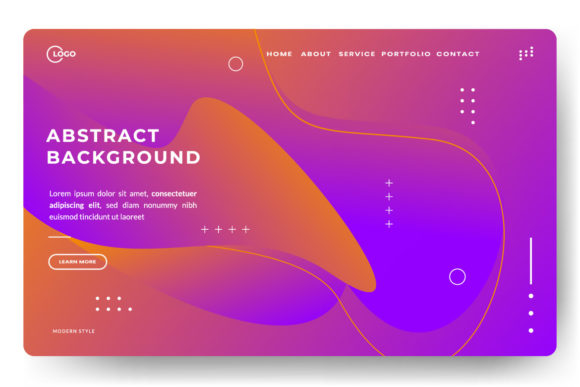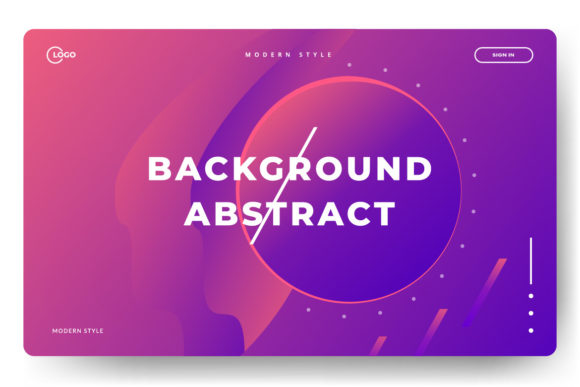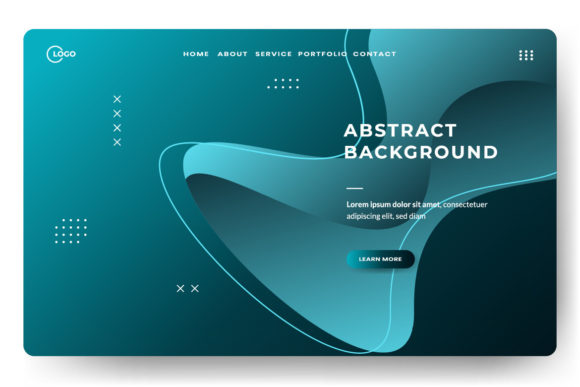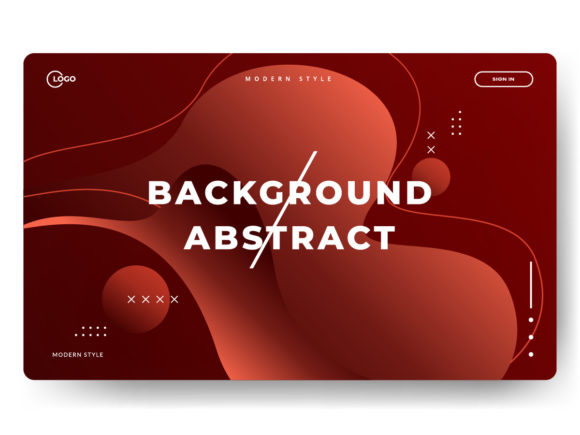
Red Abstract Background Dynamic Textured
In a digital landscape saturated with sterile white spaces and predictable gradients, the Red Abstract Background Dynamic Textured offers a necessary jolt of energy. It is not merely a visual element; it is a statement of intent. When you combine the urgency of red with the complexity of dynamic texture and fluid 3D movement, you create a canvas that demands attention without sacrificing sophistication. This design style bridges the gap between raw emotion and structured innovation, making it an ideal foundation for modern web experiences.
The core appeal lies in its duality. The color red triggers immediate psychological responses associated with passion, power, and action, while the abstract, liquid 3D nature softens that intensity into something organic and approachable. Unlike flat vector art or static photographs, this textured approach introduces depth and dimension. It mimics the flow of molten lava, the swirl of ink in water, or the distortion of light through heat haze. For developers and designers, this translates to interfaces that feel alive, responsive, and deeply immersive.
Understanding the Visual Language
To utilize this aesthetic effectively, one must first understand what makes it work. The term liquid 3D refers to rendering techniques that simulate fluid dynamics, creating smooth, continuous surfaces that appear to move even when static. When paired with a dynamic textured overlay, the surface gains tactile quality. It looks like it has weight and substance.
The gradient color palette typically ranges from deep crimson and burgundy to vibrant scarlet and burning orange. These transitions are rarely linear. Instead, they flow organically, creating focal points that guide the user's eye across the screen. This natural flow is crucial for user experience (UX). In a traditional layout, users might scan text in a rigid "F" pattern. With a dynamic background, the subtle shifts in color and form can lead the viewer toward key calls-to-action (CTAs) or essential information naturally.
For content creators, this means your message is wrapped in an environment that supports high engagement. The texture adds a layer of visual interest that prevents the "banner blindness" phenomenon where users ignore anything that looks like standard advertising. A Red Abstract Background Dynamic Textured feels bespoke, suggesting that the content behind it is equally unique and carefully crafted.
Creative Applications Across Industries
The versatility of this design style allows it to adapt to a wide range of professional contexts. Whether you are building a portfolio, launching a product, or telling a story, the underlying principles of contrast, flow, and focus remain consistent.
- Landing Pages and Conversion: For entrepreneurs and marketers, the primary goal is conversion. A dynamic red background creates a sense of urgency that is perfect for limited-time offers, new product launches, or event registrations. However, the key is balance. Use the intense red areas as backdrops for buttons or headlines, ensuring the text remains legible. The liquid texture should be subtle enough not to distract from the copy but distinct enough to keep the user engaged.
- UI/UX Development: Developers often struggle to make applications feel premium. Integrating these elements into loading screens, error states, or dashboard headers can elevate a functional tool into an artistic experience. Imagine a data visualization platform where the charts sit atop a slowly shifting red fluid background. The dynamic nature implies real-time data processing, reinforcing the utility of the software.
- Video Content and Media: For YouTubers, podcasters, and educators, this style serves as a powerful intro or outro template. The motion graphics inherent in the "dynamic" aspect translate well to video formats. It sets a tone of high production value immediately. If you are producing a documentary on human emotions, social justice, or creative arts, the red texture provides an emotional anchor that resonates with the audience.
- Advertising and Branding: Small business owners looking to stand out in crowded marketplaces can use this style to differentiate their brand identity. Traditional red logos are common, but a Red Abstract Background Dynamic Textured approach suggests a modern, forward-thinking company. It works exceptionally well for fashion brands, automotive industries, and technology startups that want to convey speed and innovation.
Practical Strategies for Implementation
While the visual impact is undeniable, successful implementation requires technical discipline and thoughtful design choices. The temptation is often to let the background dominate the entire interface. To avoid clutter and ensure accessibility, you must treat the background as a supporting actor, not the lead.
Maintain Legibility and Contrast
The most critical rule in using this style is readability. Red is a high-energy color, and when combined with complex textures, it can easily overwhelm the eyes. Always test your color combinations against WCAG accessibility guidelines. Ensure that white or light-colored text has sufficient contrast against the darkest parts of the red gradient. If the background is too busy, consider adding a semi-transparent dark overlay or a blur effect behind the text blocks. This technique isolates the content, making it pop while retaining the atmospheric beauty of the background.
Optimize Performance
Dynamic 3D textures and gradients can be resource-intensive. For websites, slow load times are a direct threat to SEO rankings and user retention. If you are using heavy WebGL effects or large video files for the background, ensure you have fallback options for slower connections. Consider using optimized CSS gradients or lightweight SVG animations for simpler implementations. The goal is to achieve the *look* of fluid motion without compromising the speed of your site. Users appreciate speed just as much as aesthetics.
Consistency is Key
When adapting this style for different platforms, maintain a consistent color language. If your website uses a specific shade of crimson with a gold undertone, your social media banners and promotional videos should reflect that same palette. Consistency builds trust. Inconsistency confuses the audience. Create a design system that defines how the Red Abstract Background Dynamic Textured interacts with typography, icons, and whitespace. This ensures that whether a user lands on your mobile app or your desktop site, the experience feels cohesive.
Fostering Creativity Without Chaos
One of the challenges with abstract art is knowing when to stop. It is easy to add more layers, more gradients, and more movement until the design becomes chaotic. To keep results clear and effective, apply the principle of negative space. Allow the red texture to breathe. Don't fill every inch of the screen with activity. Use empty space to give the viewer's eyes a place to rest, which paradoxically makes the dynamic elements more impactful when they do appear.
For hobbyists and freelancers experimenting with this style, start small. Try applying a static version of the texture to a single blog post header or a profile picture frame before committing to a full-site redesign. Experiment with different gradient directions—vertical flows suggest stability, while horizontal or diagonal flows suggest movement and energy. Observe how these subtle changes alter the mood of the content.
Remember that the ultimate goal of any design element is communication. The Red Abstract Background Dynamic Textured is a tool to amplify your message, not replace it. Whether you are promoting a charity event, showcasing a portfolio of photography, or explaining a complex technical concept, the background should enhance clarity, not obscure it. By balancing the visceral impact of the color red with the structural integrity of good UX principles, you create digital experiences that are both beautiful and functional.
As you move forward with your projects, view this design style not as a trend to follow blindly, but as a versatile toolkit. It invites experimentation, encourages bold thinking, and provides a rich visual vocabulary for those willing to master it. In a world of noise, a well-executed dynamic red texture cuts through the static, delivering a message that is impossible to ignore.