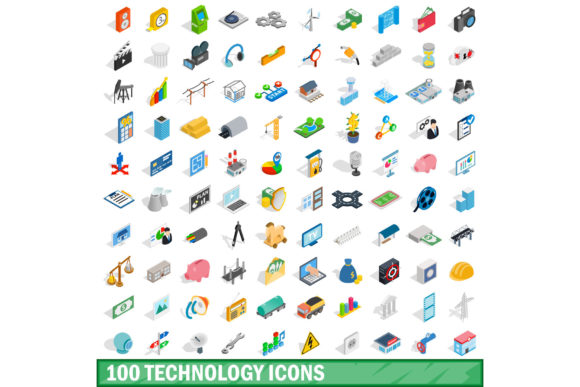
100 Technology Icons Set for Modern Design Projects
In the fast-paced world of digital communication, visual clarity often dictates success. Whether you are a freelancer pitching a new startup concept to investors or an educator preparing a slide deck on emerging AI trends, the right imagery can bridge the gap between complex ideas and audience understanding. This is where a 100 Technology Icons Set becomes more than just a collection of graphics; it transforms into a strategic asset that elevates your professional output.
Imagine needing to illustrate a cloud computing architecture diagram for a client presentation. Without high-quality visuals, you might spend hours drawing basic shapes in vector software, only to end up with inconsistent styles that distract from your message. A comprehensive icon set designed specifically for technology sectors offers immediate solutions to these common friction points. By integrating pre-designed assets, you shift your focus from creating basic shapes to refining your narrative and strategy.
The Power of Isometric 3D Style in Tech Illustration
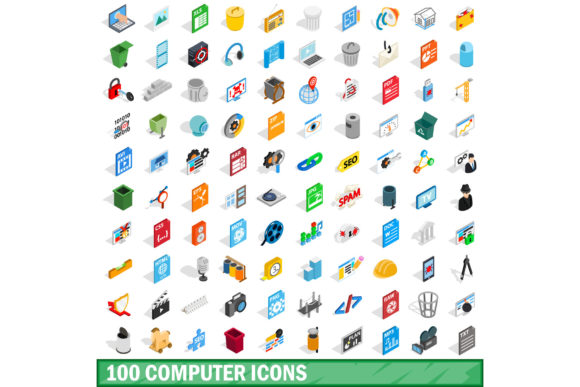
One of the most distinct features of this specific collection is the availability of icons in an isometric 3D style. Unlike flat design, which has been dominant for years, isometric illustrations add depth, perspective, and a tactile quality that mimics physical objects. This style resonates deeply with modern audiences because it creates a sense of realism without requiring photorealistic rendering.
For professionals in marketing or product design, using 3D-style icons allows you to visualize abstract concepts like data storage, network security, or blockchain transactions in a way that feels tangible. When a user sees a three-dimensional server rack or a floating hard drive, they immediately grasp the scale and importance of the infrastructure. This visual language helps simplify technical jargon, making it accessible to non-technical stakeholders. It is particularly effective for landing pages, app interfaces, and explainer videos where capturing attention within seconds is critical.
The versatility of the 100 technology icons set in isometric 3D style extends beyond simple decoration. These assets support storytelling by providing a consistent visual tone across different media. If you are building a brand identity for a tech firm, maintaining a cohesive look is essential. Mixing flat icons with 3D elements can create visual dissonance, but having a dedicated set ensures harmony. This consistency builds trust and reinforces the professional image of your organization.
Streamlining Workflow with Multiple File Formats
Efficiency is the currency of creativity. The value of this icon library lies not just in the designs themselves, but in the flexibility provided by the available formats: JPG, EPS, AI, PSD, and PNG. Each format serves a specific purpose in a designer's workflow, allowing you to adapt the assets to any project requirement without compromising quality.
- AI and EPS files are indispensable for vector-based workflows. They allow you to resize icons to any dimension—from a tiny favicon to a massive billboard—without losing sharpness. This scalability is crucial when designing responsive websites or print materials that must look crisp at various resolutions.
- PSD files offer layered editing capabilities. For graphic designers working in Adobe Photoshop, having individual layers means you can easily recolor elements, adjust shadows, or integrate the icons into complex composites while retaining full control over the final look.
- PNG and JPG formats provide ready-to-use raster images. These are perfect for quick mockups, social media posts, or situations where importing vector files into a web editor is unnecessary. The inclusion of transparent backgrounds in PNGs ensures seamless integration into any background color or image.
Having all these options in one package eliminates the need to purchase separate assets for different tasks. A small business owner creating a brochure might use the vector files for printing, while simultaneously using the PNG versions for email newsletters. This multi-format approach supports a fluid transition between design phases, saving significant time and reducing administrative overhead.
Practical Applications Across Industries
The utility of a 100 Technology Icons Set spans a wide array of professions. For entrepreneurs launching a SaaS platform, these icons can populate feature lists on a website, instantly communicating functionality like "secure login," "cloud sync," or "real-time analytics." Instead of writing long paragraphs describing features, a well-placed icon can convey the same information at a glance, improving user experience and retention.
Educators and content creators also benefit immensely. In online courses or instructional blogs, breaking down dense text with relevant icons keeps learners engaged. An article about cybersecurity becomes much more digestible when accompanied by shield icons, lock symbols, and network diagrams. This visual aid supports cognitive processing, helping readers retain information longer.
Freelancers and agencies often face tight deadlines. The ability to quickly drag and drop high-quality, professionally styled icons into a layout allows them to meet client expectations without sacrificing aesthetic standards. When presenting a proposal, the presence of polished, 3D-rendered visuals signals attention to detail and professionalism. It suggests that the creator cares about the overall quality of the deliverable, which can be a decisive factor in winning contracts.
Considerations for Implementation
While the benefits are substantial, it is important to approach the selection of assets thoughtfully. Not every project requires isometric 3D styling. In some contexts, such as minimalist mobile applications or accessibility-focused designs, flat icons may perform better due to their simplicity and faster loading times. Therefore, users should evaluate the specific goals of their project before committing to a single style.
Additionally, while the 100 technology icons set covers a broad range of topics, it is unlikely to contain every niche symbol imaginable. Users working in highly specialized fields, such as quantum computing or biotechnology, might find gaps in the library. In such cases, the vector nature of the AI and EPS files becomes vital, allowing designers to modify existing icons or create custom variations to fill those voids.
Another consideration is the file size. High-resolution 3D renders can sometimes result in larger file sizes, which could impact page load speeds if not optimized properly. Web developers should ensure that raster exports (PNG/JPG) are compressed appropriately before uploading them to live sites. Balancing visual fidelity with performance is a key skill in modern web development.
Maximizing Creative Potential
To get the most out of this resource, consider how the icons can interact with other design elements. The 3D style works exceptionally well with gradients and soft lighting effects. By experimenting with shadows and highlights that match the icon's direction, you can create a unified environment that draws the eye naturally.
Furthermore, the diversity of the set encourages experimentation. You might start with a standard flat layout for a draft and then swap in the 3D versions for the final presentation to see how the mood changes. This iterative process can reveal new angles for your creative work, turning a standard report into a compelling visual story.
Ultimately, the goal of any design tool is to empower the creator. A 100 Technology Icons Set does exactly that by removing the barrier of starting from scratch. It provides a foundation upon which you can build unique, impactful designs. Whether you are simplifying a complex decision, enhancing a presentation, or solving a communication problem, having a reliable library of technology-themed assets at your disposal gives you the confidence to execute your vision clearly and effectively.
By choosing a versatile collection that includes both flat and isometric 3D styles, and offering multiple file formats, you equip yourself with tools that adapt to your needs rather than forcing you to adapt to them. This flexibility is what separates good design from great design, allowing professionals and hobbyists alike to produce work that stands out in a crowded digital landscape.