Bi-fold Brochure Design Mockup Template: Elevate Your Presentation
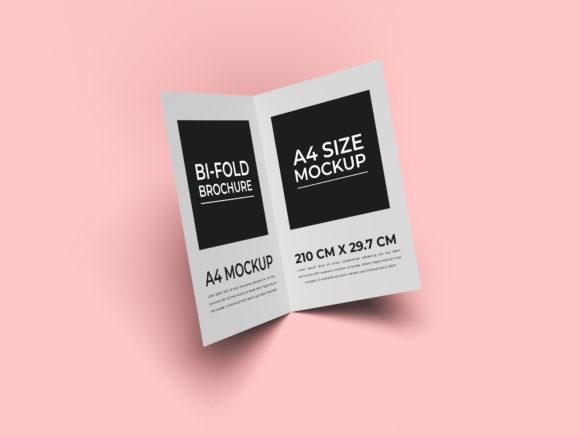
There is a distinct difference between designing something that looks good on a flat screen and presenting it in a way that feels tangible. When you are working on a Bi-fold Brochure Design Mockup Template, you are not just arranging text and images; you are simulating the real-world experience of holding a physical product in your hands. This specific type of mockup bridges the gap between digital creativity and physical reality, allowing creators to visualize their work exactly as it will appear when printed and folded.
The power of this tool lies in its ability to transform a flat layout into a three-dimensional object with depth, texture, and lighting. Whether you are a freelancer pitching to a new client or a small business owner preparing for a trade show, the visual impact of seeing your design in context cannot be overstated. It moves the conversation from "what if" to "here it is," making the decision-making process much easier for everyone involved.
Understanding the Technical Foundation
Before diving into how you can use these templates, it helps to understand what makes them effective. A high-quality 3d Bi-fold Brochure Design Mockup Template is built with precision. These files are typically created in Adobe Photoshop CC, ensuring compatibility with industry-standard software. The resolution is set at 300 DPI, which is the gold standard for print quality, meaning your designs will look crisp whether viewed on a large monitor or printed at full size.
The dimensions of 4000×3000 pixels provide ample space for high-resolution details. This isn't just about having a big file; it's about having enough data to see how ink interacts with paper texture. The RGB color mode ensures that what you see on your screen matches the vibrant output of modern printers. Perhaps most importantly, the smart objectives feature allows you to place your artwork onto the brochure surface without worrying about distorting the perspective. You simply drag your design in, and the template automatically adjusts the curves and folds to match the 3D shape perfectly.
Why Context Matters in Design Presentations
Imagine you have spent weeks perfecting a tri-fold menu for a local restaurant. On your computer, the colors pop, the typography is aligned, and the imagery is stunning. But when you send a PDF to the owner, they might struggle to imagine how it will feel in their hand. They might wonder if the fold lines align correctly or if the white borders look too wide. This is where the value of a Bi-fold Brochure Design Mockup Template becomes undeniable.
By using a mockup, you stop asking clients to imagine the final product and start showing them the result. It eliminates ambiguity. When a client sees a realistic rendering with shadows, highlights, and realistic paper grain, they are more likely to approve the design quickly. It builds trust because it demonstrates professionalism and attention to detail. You aren't just selling a graphic design service; you are selling a complete solution that considers the end-user experience.
Real-World Applications Across Different Industries
The versatility of bi-fold brochures means they are used in a wide array of scenarios. Here is how different professionals leverage these mockups in their daily workflows.
- Entrepreneurs and Startups: When launching a new product, founders often need to pitch to investors or secure shelf space in retail stores. A polished mockup shows that the brand is ready for market. Instead of sending a Word document with a logo, an entrepreneur can present a fully realized brochure that showcases product features, pricing, and contact information in a professional format.
- Freelance Designers and Agencies: For creatives, the portfolio is everything. Including mockups in case studies elevates the perceived value of the work. If a designer includes a flat image of a brochure next to a photorealistic 3D version, the contrast highlights their skill in layout and composition. It proves they understand print production, not just digital aesthetics.
- Educators and Students: In academic settings, students often need to present research projects or portfolios. A well-designed bi-fold brochure can summarize complex data into digestible chunks. Using a mockup template helps them focus on content organization rather than getting bogged down in technical setup, allowing them to create a presentation that stands out to professors or peers.
- Small Business Owners: Local businesses, such as salons, gyms, or coffee shops, rely heavily on foot traffic. They often need promotional materials for local events or community boards. By using an editable design, they can quickly update prices, event dates, or seasonal offers without needing to hire a designer every time they want a refresh.
- Publishers and Bloggers: Content creators often produce lead magnets or digital guides. While these are downloaded digitally, creating a mockup of the physical version can serve as a powerful marketing asset on social media. It creates a sense of exclusivity and value around free resources, encouraging users to download them.
Strategic Considerations Before You Begin
While these templates are incredibly user-friendly, there are practical steps to ensure the best results. The first consideration is understanding your audience's expectations. If you are targeting a luxury market, the mockup should ideally simulate a thick, textured cardstock. If you are doing a quick flyer for a garage sale, a standard glossy finish might be sufficient. Many templates allow you to adjust lights and shadows, so take the time to tweak the lighting to match the environment where your brochure will actually be seen.
Another crucial factor is the organization of layers. A well-structured PSD file is essential for efficiency. Look for templates that separate the front cover, back cover, inside panels, and background elements. This separation allows you to edit specific sections without affecting the entire layout. If the layers are messy, you might find yourself spending hours trying to isolate a single element, which defeats the purpose of using a pre-made resource.
Color accuracy is also vital. Since the file is in RGB mode, remember that printed colors (CMYK) can sometimes appear slightly different. Use the mockup as a guide for visual impact, but always request a physical proof before mass printing. The mockup helps you catch major errors like low-resolution images or awkward margins, but it cannot replace the tactile check of actual paper.
Maximizing the Potential of Editable Designs
The beauty of an easily editable design is the speed at which you can iterate. In a fast-paced business environment, feedback changes rapidly. A client might ask to swap a photo, change a headline, or adjust the color scheme. With a properly organized Bi-fold Brochure Design Mockup Template, these changes can be made in minutes rather than hours. You can experiment with different color palettes to see which one resonates better with your target demographic without starting from scratch.
This flexibility extends to personal projects as well. Hobbyists who enjoy scrapbooking or creating custom gifts can use these templates to make personalized invitations or family history booklets. The ability to adjust lights and shadows adds a layer of realism that makes the final product feel bespoke and thoughtful. It transforms a simple digital file into a cherished physical keepsake.
Ultimately, the goal is to communicate effectively. Whether you are selling a service, sharing knowledge, or promoting a cause, the medium matters. A bi-fold brochure offers a unique opportunity to tell a story across four distinct panels. By utilizing a high-quality mockup, you ensure that your message is delivered with clarity and style. It is a small investment of time to set up the file, but the return in terms of professional credibility and client satisfaction is substantial.
When you choose to integrate these tools into your workflow, you are making a statement about the quality of your work. You are saying that you care about the details, from the font choice to the way the light hits the corner of the page. In a world saturated with digital noise, standing out requires a touch of realism, and that is exactly what a well-executed mockup provides.