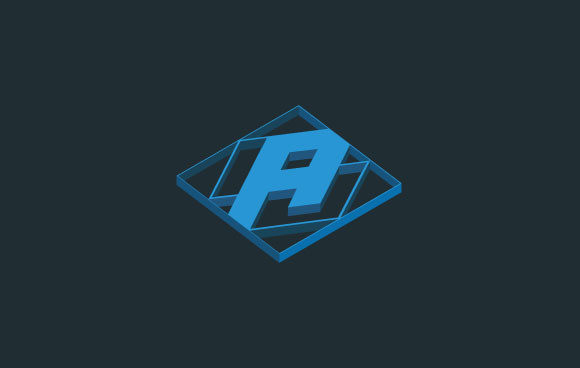
3D a Letter: A Strategic Asset for Brands Starting with the First Letter of the Alphabet
In the crowded digital landscape, visual identity is often the first point of contact between a brand and its audience. For businesses, entrepreneurs, and creative professionals whose names begin with "A," finding a distinctive yet versatile logo can be a significant challenge. This is where 3D a Letter emerges as a compelling option. It is not merely a decorative font or a simple graphic; it is a structured design template that leverages depth, perspective, and dimensionality to create an immediate sense of presence. When evaluated from a practical standpoint, this resource offers a unique solution for establishing authority and memorability without requiring extensive custom illustration work.
The concept behind 3D a Letter relies on the psychological impact of three-dimensional forms. Unlike flat typography, which sits passively on a page, 3D elements invite the viewer to look closer. They suggest solidity, craftsmanship, and modernity. By utilizing a pre-designed template focused specifically on the letter "a," creators gain access to a foundational asset that can be adapted across various industries. Whether you are launching a tech startup named "Apex Solutions" or a creative studio called "Artisan Works," the underlying geometry of this template provides a robust framework that scales effectively from a favicon to a large-format billboard.
Core Characteristics and Design Philosophy
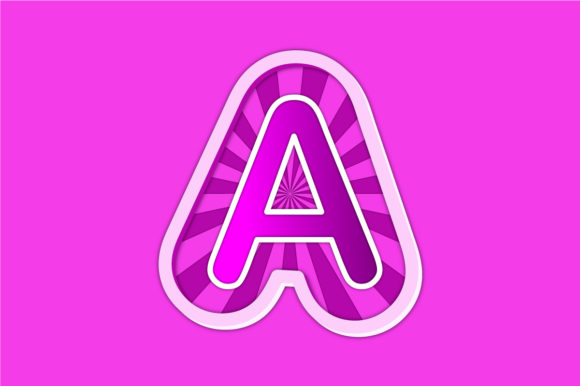
Understanding the mechanics of 3D a Letter requires looking beyond the surface aesthetics. The template is engineered with specific geometric principles in mind. The primary characteristic is its use of extrusion and lighting simulation to create volume. This is achieved through careful layering of shapes and strategic application of shadows and highlights. The result is a letterform that appears to occupy physical space, even when rendered digitally.
- Dimensional Depth: The extruded sides of the letter provide a tangible sense of weight. This is crucial for brands that want to convey stability and reliability.
- Versatile Texturing: The design allows for various material finishes, ranging from sleek metallic surfaces to matte plastics or vibrant, glossy coatings. This flexibility ensures the logo can pivot to match different brand personalities.
- Scalable Geometry: Because the template is vector-based, the 3D effects remain crisp at any size. There is no pixelation or loss of detail when the 3D a Letter is resized for mobile screens or printed on business cards.
- Lighting Dynamics: The inclusion of realistic light sources adds a layer of sophistication. Properly placed highlights guide the eye and prevent the design from looking flat or muddy.
These characteristics make the template particularly effective for sectors where innovation and precision are valued. The inherent complexity of 3D design suggests that the company behind it pays attention to detail, a perception that can significantly influence consumer trust.
Practical Value and Usability in Real-World Scenarios
For professionals managing multiple projects, the usability of a design asset is just as important as its appearance. 3D a Letter excels in this area by offering a balance between customization and ease of use. The template structure typically separates the front face, the side extrusion, and the background elements, allowing users to modify colors, gradients, and textures independently. This modularity means that a user does not need to be a master graphic designer to achieve a professional result.
Consider a scenario where a marketing agency needs to rebrand quickly for a client named "Alpha Digital." Using a standard 2D logo might feel generic. However, applying the 3D a Letter template allows the agency to inject a dynamic element that stands out in social media feeds and website headers. The 3D effect captures attention more effectively than static images, increasing click-through rates and engagement metrics. Similarly, for a freelancer creating a portfolio site, having a strong, dimensional initial serves as an anchor for their personal brand, making their name instantly recognizable.
The versatility extends to print applications as well. In the physical world, 3D logos translate well into embossed stationery, signage, and promotional merchandise. The depth created in the digital template mimics the tactile experience of raised printing, adding a premium feel to physical collateral. This cross-platform consistency is vital for maintaining brand integrity. If a logo looks impressive on a screen but falls flat on a t-shirt or a brochure, the brand identity suffers. 3D a Letter mitigates this risk by providing a design foundation that holds up under various reproduction methods.
Evaluating Strengths, Limitations, and Audience Fit
No design resource is universally perfect, and a balanced evaluation of 3D a Letter must acknowledge both its strengths and potential limitations. The primary strength lies in its ability to command attention. In a sea of minimalist, flat-design logos, a well-executed 3D element creates a visual hierarchy that draws the eye immediately. This makes it an excellent choice for startups trying to break into saturated markets or established companies seeking a refresh.
However, there are considerations regarding long-term trends. Three-dimensional graphics have seen fluctuations in popularity over the decades. While they currently enjoy a resurgence driven by advancements in rendering technology and the rise of spatial computing, designers must ensure the style remains timeless enough for their specific brand longevity goals. A heavily stylized 3D logo might date quickly if the aesthetic becomes too tied to a specific software trend. Therefore, the key to success with 3D a Letter is moderation. Users should aim for clean lines and subtle shading rather than overly complex, cartoonish effects that may lose relevance in a few years.
Another limitation to consider is file management. High-quality 3D templates often come with larger file sizes due to the number of layers and effects involved. For web developers optimizing for speed, this can require additional steps to compress assets without sacrificing quality. Additionally, while the template simplifies the creation process, achieving a truly unique look still requires thoughtful customization. Simply changing the color is rarely enough; the texture and lighting must align with the brand's overall tone.
This resource is best suited for:
- Tech and Innovation Companies: Where a futuristic, high-tech aesthetic is desired.
- Creative Agencies and Studios: Who need to demonstrate artistic capability and attention to detail.
- Educational Platforms: Which benefit from the clarity and emphasis provided by dimensional text.
- Retail and E-commerce: Particularly for brands selling products that benefit from a tactile, premium presentation.
Strategic Implementation and Long-Term Value
To maximize the value of 3D a Letter, integration into a broader brand strategy is essential. The logo should not exist in isolation. It needs to be paired with complementary typography, color palettes, and imagery that reinforce the same message of depth and quality. For instance, if the 3D "a" uses a cool, metallic gradient, the supporting text and background elements should reflect a similar level of sophistication.
From a workflow perspective, using this template can save significant time compared to building a 3D logo from scratch. What might take a designer hours to model and render can be accomplished in minutes with a pre-configured template. This efficiency allows professionals to focus on other critical aspects of their business, such as content creation, customer outreach, or product development. The return on investment here is measured in both time saved and the elevated perceived value of the final output.
Furthermore, the adaptability of the 3D a Letter design supports future growth. As a business expands, the logo may need to appear on new platforms or in new contexts. Because the core geometry is sound, the brand can evolve without losing its visual anchor. Whether the company pivots from B2B services to consumer goods, the dimensional nature of the "a" remains a neutral yet powerful symbol that can carry the brand forward.
In conclusion, 3D a Letter represents a pragmatic choice for professionals seeking to elevate their visual identity. It bridges the gap between artistic expression and functional design, offering a tool that is both visually striking and technically reliable. While it requires thoughtful application to avoid becoming a fleeting trend, its capacity to add weight, presence, and modernity to a brand starting with "A" is undeniable. For those willing to invest in the customization and strategic placement of this asset, it offers a solid foundation for building a memorable and enduring brand presence.